
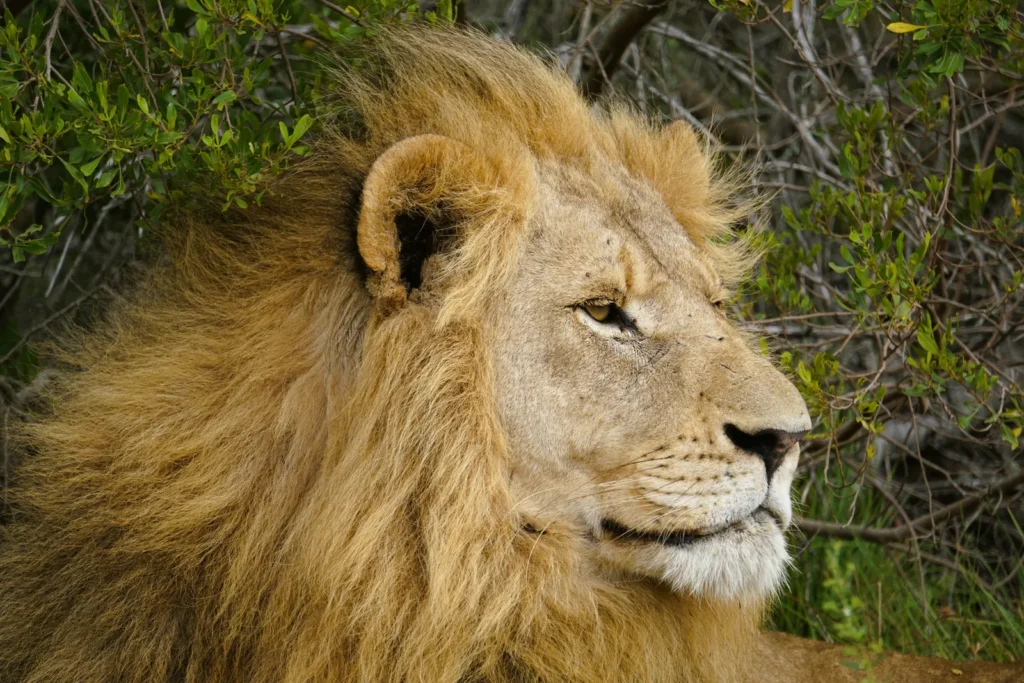
Why Visit Kruger National Park? A Guide for First-Time Visitors
Most people planning a first trip to South Africa are already thinking about Kruger. It appears on every list, in every travel magazine, in almost every conversation about what to do here. What those lists rarely explain is what Kruger actually is, why it is different from other African safari destinations, and how to approach it in a way that suits your trip rather than someone else's.
This guide is written for visitors planning their first visit from abroad — typically combining Kruger with Cape Town, the Garden Route, or both. It explains what makes the park worth the trip, how it fits into a South Africa itinerary, and how to start planning without the confusion that most first-timers encounter online.
What Kruger National Park Actually Is
Kruger National Park is one of the largest game reserves in Africa, covering nearly 20,000 square kilometres in the north-eastern corner of South Africa — roughly the size of Wales, or the state of New Jersey. It shares borders with Mozambique to the east and Zimbabwe to the north, and along its western boundary it connects with a network of private reserves known collectively as the Greater Kruger ecosystem.
It is, in straightforward terms, a functioning wilderness on a scale that is difficult to picture until you are inside it. The park contains all of the African wildlife that most international visitors come to South Africa hoping to see — elephant, lion, leopard, rhino, buffalo, wild dog, cheetah, giraffe, hippo, crocodile, and several hundred species of bird. It is also one of the few major African parks where self-drive is genuinely viable on a well-maintained road network, which makes it unusually accessible to independent travellers.
What distinguishes Kruger from many other celebrated African safari destinations is the combination of scale, accessibility, and consistency. You do not need a private charter flight to reach it. You do not need to spend R50,000 per night to experience it properly. And the wildlife is abundant enough that a well-planned two or three day visit from a good base produces the kind of experience that most visitors describe as one of the best things they have ever done.
Why Kruger Belongs on a South Africa Itinerary
South Africa is unusual in that it offers two completely different experiences within a single trip. Cape Town and the Western Cape — the wine country, the coast, the mountain scenery — is one of the world's great travel destinations and requires no justification. Kruger and the Lowveld is something else entirely: wild, hot, alive, and unlike anything the Western Cape offers.
The two halves of a South Africa trip complement each other in a way that few other country-level combinations do. Most international visitors who combine them come away feeling that neither alone would have been as satisfying as both together.
The best time to combine both: The green season — November through February — is when Cape Town is at its absolute best: warm, dry, and spectacular. Kruger in summer is lush with young animals, dramatic afternoon storms, and outstanding birdlife. If you are planning a combined trip, this window gives you both destinations at their most rewarding. Our article on the best time to visit Kruger covers the seasonal detail in full.
What Makes the Experience Worth It
The scale changes how wildlife feels
Seeing an elephant at a zoo and seeing an elephant in Kruger are not variations of the same experience — they are categorically different things. In Kruger, you encounter animals living on their own terms, in their own territory, behaving as they would if no one were watching. A herd of forty elephant crossing the road in front of your vehicle. A lion pride sprawled under an acacia at dawn. A leopard moving through the riverine bush below your vehicle's viewpoint. These are not staged. The scale of the park means the animals are genuinely wild, genuinely free, and in many cases indifferent to your presence in a way that makes the encounter feel earned rather than arranged.
It is more accessible than most people expect
A persistent misconception about African safaris is that they are prohibitively expensive or logistically difficult. Kruger dismantles both assumptions. The park has a well-maintained internal road network, multiple entry gates, a range of accommodation from camping to private lodges, and a thriving guided safari industry operating from the towns and villages along its boundary. You can reach Kruger by domestic flight from Cape Town or Johannesburg, hire a car at the airport, and be on safari the following morning. The planning required is not significantly more demanding than planning any other international trip — it is just unfamiliar the first time.
A guided safari removes every barrier
For visitors who do not want to navigate an unfamiliar park in a hire car before sunrise, a guided safari handles everything: the routing, the gate timing, the wildlife knowledge, the vehicle. Your guide knows which roads were productive yesterday, how to read animal behaviour from a distance, and where to position the vehicle for a sighting. You sit on an open vehicle and watch the bush. For first-time visitors especially, this is the format that consistently produces the experiences people come for. Our guide to whether a guided safari is worth it works through the honest comparison in detail.
No two days are the same
The bush operates on its own schedule and does not repeat itself. A morning that produces nothing in the first hour might end with a wild dog pack on a kill. A route your guide has driven a hundred times looks different after overnight rain. This unpredictability is not a limitation — it is precisely what makes the experience compelling in a way that no scripted attraction can replicate. Visitors who visit once almost universally want to return with more time.
How Kruger Fits Into a Typical International Itinerary
Most international visitors arriving in South Africa for the first time follow a version of the same broad structure: fly into Johannesburg or Cape Town, spend time in the Cape, and include Kruger for the wildlife portion of the trip. The logistics of connecting the two are straightforward.
From Cape Town: Fly to Kruger Mpumalanga International Airport (MQP) near Nelspruit, or to OR Tambo in Johannesburg and connect by domestic flight or road. The regional airport is small and well-suited to this kind of trip — a direct flight from Cape Town takes around two hours, and the drive from the airport to Malelane, Hazyview, or Marloth Park is under 90 minutes.
From Johannesburg: Kruger is a 4.5 to 5 hour drive from OR Tambo via the N4 highway — a straightforward route that many visitors do as a self-drive. Domestic flights to the regional airport take around an hour and are available daily.
How many days to allow: For international visitors, three days in the Kruger area is a reasonable minimum. Two days is possible and worthwhile, but most people who visit from overseas feel that three days — with at least two game drives — better justifies the journey. Our article on how much time you need in Kruger gives a detailed breakdown by trip type.
Not sure how Kruger fits into your specific itinerary? We can help you work that out before you book anything.
Where to Base Yourself
Where you sleep in the Kruger area determines which gate you enter through, how your mornings run, and what kind of overall trip you have. This is one of the decisions that most online planning resources handle poorly — most advice is either too generic or written from the perspective of someone staying inside the park when the majority of visitors are better served by staying outside it.
The main options for international visitors are:
Marloth Park — a small private town directly on the southern park boundary, 20 minutes from Crocodile Bridge Gate. Wildlife moves through the suburb itself. Close to the Mozambique border. Well suited to visitors wanting a bush atmosphere at their accommodation as well as inside the park.
Hazyview — a larger town in the Mpumalanga highlands with the widest range of accommodation options. Closest to the central-south section of the park and the Sabie River roads. Also the best base for combining Kruger with the Panorama Route and other Mpumalanga attractions.
Malelane — a small town on the N4, 6km from Malelane Gate and the Berg-en-Dal section of the park. Practical for visitors transiting between Cape Town and Mozambique, or those wanting the shortest possible transfer to the gate. Day trips to Mozambique and Eswatini are accessible from here.
Inside the park — SANParks operates rest camps at various points inside Kruger, from basic campsites to self-catering chalets. Staying inside puts you in the bush from the moment you leave your accommodation, with wildlife sounds at night and no gate transfer in the morning. Camps like Lower Sabie and Skukuza book months in advance for peak periods.
Our full guide to staying inside versus outside the park covers each option honestly, including what it costs and who each one suits.
How to Start Planning — A Practical Sequence
Decide when you are going
Kruger is a year-round destination. The dry season (May–October) offers easier wildlife viewing with thinner vegetation and animals concentrated at water. The green season (November–April) is lush, dramatic, full of young animals, and pairs perfectly with a Cape Town visit. Pricing is driven by school holidays and public holidays, not season. Read our best time to visit guide before locking in dates.
Choose where to stay
Your base determines your gate, your operator, and the character of your trip. Match your accommodation location to the kind of experience you want — not just the best-reviewed hotel on a booking platform. The accommodation guide covers the full range.
Decide between guided safari and self-drive
For first-time visitors, a guided safari almost always produces a better experience than self-drive — not because self-drive is inadequate, but because local knowledge changes what you see and understand. Our guided safari guide works through the honest comparison so you can decide what suits your group.
Choose your safari format
Full-day, morning half-day, afternoon — each suits a different type of visit. If you have one or two days, a full-day captures both active windows. If you are adding a safari to a broader itinerary, a morning half-day from the right base is often the more practical choice. Our time in Kruger guide helps you work out what fits.
Match with the right operator for your location
This is the step most visitors skip — and it is the most consequential. An operator who knows the Crocodile Bridge area is not the right operator for a guest staying near Hazyview, and vice versa. Location-specific knowledge matters more than general reputation. This is precisely what KrugerGuide.com helps with: we match you with the right local operator for where you are staying, at the same rate as booking direct.
Book in advance
The best operators fill quickly, particularly around school holidays and peak public holiday weekends. If your dates are flexible, our seasonal guide shows you which periods to avoid and which offer the best value. If your dates are fixed, enquire early — availability at short notice is possible but not guaranteed.
How KrugerGuide.com Helps
Most visitors planning a first Kruger trip encounter the same problem: too much generic information online, very little of it specific to where they are actually staying. Operator websites read like brochures. Large booking platforms charge operators 20–30% commission, which changes what gets recommended and why. Generic travel blogs cover Kruger in a way that applies equally to any African park.
KrugerGuide.com exists to fill that gap. We are an independent planning resource written by someone who grew up in the Lowveld, not a booking engine or a tour operator. We provide the same guidance we would give our own family planning a Kruger trip — honest about tradeoffs, specific about locations, direct about what actually matters.
When you submit an enquiry, we match you with the most appropriate local operator for your specific base — taking into account your location, group size, travel dates, and what you are hoping to experience. The operator provides a quote. If you book, we earn a commission from the operator at no additional cost to you. You pay the same rate as booking direct.
There is no obligation at the enquiry stage. Nothing is booked and nothing is charged until you decide to proceed. If you are still in the planning phase and just want to understand your options better, that is exactly what the enquiry form is for.
Not sure where to start? The most useful thing you can tell us is where you are staying — or where you are considering staying. That single piece of information shapes everything: the gate, the operator, the safari format, and what your day in the park will look like. If you have not decided on accommodation yet, we can help with that too.
Further Reading
The articles below cover the planning questions that come up most often for first-time international visitors. Each one is written to answer a specific question rather than to sell you something.
When is the best time to visit Kruger? — Seasonal breakdown, crowd periods, and how to think about timing a combined South Africa trip.
How much time do you need in Kruger? — From a single morning to a week — what changes with more time and what the practical minimums are for different types of visitors.
Is a guided safari worth it? — An honest comparison of guided and self-drive, including when self-drive is the better choice.
Which Kruger gate should you use? — Why gate choice matters more than most visitors realise, and which gate suits each departure point.
Should you stay inside or outside Kruger? — A full breakdown of accommodation options from camping to private lodges, with honest guidance on what each actually involves.
Taking children on a Kruger safari — Age requirements, vehicle types, timing considerations, and what actually works for families.
Ready to Start Planning Your Kruger Safari?
Tell us where you're staying, your travel dates, and your group size.
We'll come back with honest guidance and the right operator for your location — no obligation, same rates as booking direct.